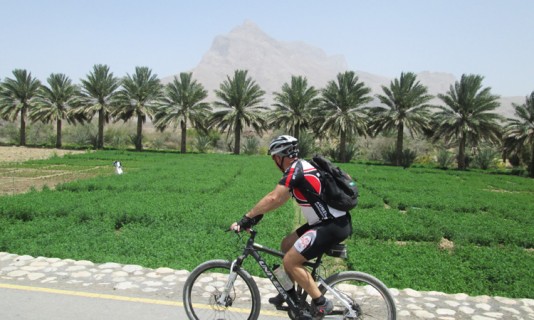
Visit the Bike and Hike Oman Blog to stay updated with the latest cycling and hiking trends. Here we bring you lots of interesting blogs related to hiking or biking in Oman.

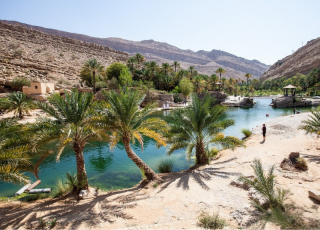

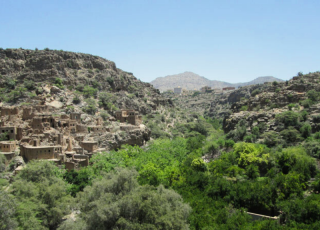
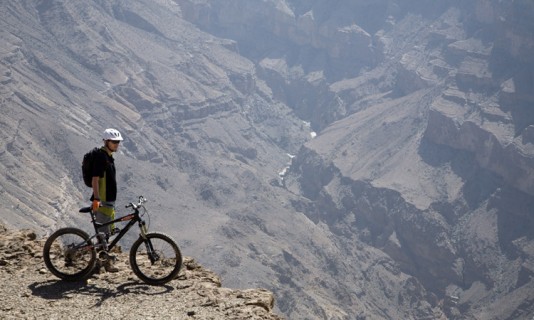
Imagine hidden pools, dramatic canyons, mountain villages, and sunrise views that make every step memorable. Whether you’re planning a weekend escape or a multi-day adventure, these trails showcase why Oman’s terrain is a hiker’s dream. 1. Wadi Shab (November–January) Fall into lush wadi vibes with emerald pools, waterfalls, and secret swimming spots. The hike is playful and refreshing—ideal for a cooler desert escape that ends in splashing and exploring hidden caves. 2. Jebel Shams Balcony Walk (December–February) Oman’s answer to the “Grand Canyon,” this trail hugs the rim of Wadi Nakhr with expansive views and epic sunrise light. Every turn feels like a postcard moment, and the cooler mountain air makes this a must-do winter trek. 3. Jebel Akhdar Village Trails (March–April) Up on the “Green Mountain,” pathways wind through terraced farms, rose gardens, and traditional villages like Misfat Al Abriyeen. These culturally rich hikes blend nature with local life, perfect for spring’s mild days. 4. Wadi Tiwi (December–February) Greener and more intimate than many wadis, Wadi Tiwi offers boulder hops, shady palms and crystal-clear pools. It’s a day of exploration and cooling dips, perfect for leisurely winter wandering. 5. Muttrah Ridge & Coastal Hikes (Year-Round) Close to Muscat, shorter trails like the Muttrah Ridge walk pair sea views with sunset vibes. These accessible hikes are great for quick adventures, sunrise strolls, or a scenic break from city life. 6. Wadi Bani Khalid (January–March) A classic oasis wadi with deep blue pools and swaying palms, this trail feels relaxed and inviting. Explore the paths between waterholes, take a refreshing swim, and enjoy the gentle desert-meets-green scenery. From cool wadis to lofty summits, Oman’s hiking season runs November through April with gems in every region. Lace up your boots, pack a sense of wonder, and let these six trails show you the many faces of Omani terrain, each one a story waiting to be hiked.

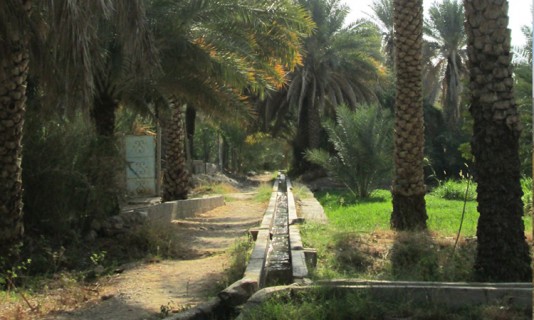
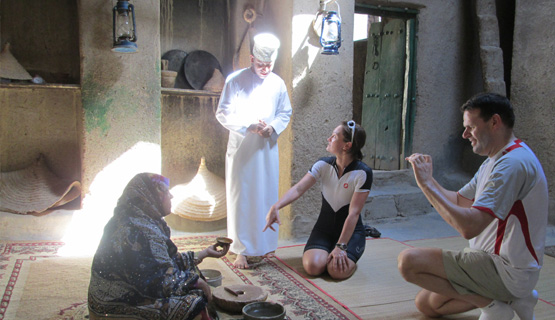
it's the season when the mountain air of Jebel Akhdar fills with the delicate scent of damask roses, and there’s no better way to enjoy this time than by visiting the slopes of Jebel Akhdhar to experience the gorgous flowers in full bloom. Being able to combine a visit here with a cycling adventure or a scenic hike through the terraced rose gardens is just a bonus. Bike & Hike Oman’s signature tours let you experience this magical season up close—pedaling along crisp mountain roads, wandering between rows of fragrant blooms, and trekking to panoramic viewpoints. Imagine setting off at dawn for the village of Al Ayn, the crisp sunrise light dancing off the rugged Hajar peaks. Your bike takes you through winding switchbacks, passing abandoned village clusters and emerald orchards. By the time you reach your destination, the valley below drapes itself in soft pink petals, a true signal that the rose-harvest season has arrived. At the heart of the Saiq plateau, centuries-old terraced gardens lie carpeted in vibrant blooms as the warmer seasons unfold. Here you can witness local farmers carefully harvest petals by hand each morning, collecting them in woven baskets. You too can take part in the harvesting to get a true feel of the traditional rose water processing methods. Discover the history behind the traditional methods of rose distilled into fragrant attar and rose water—an age-old craft still alive today. Wander between the rows of flowers, where you will feel the gentle breeze carry the scent of thousands of flowers, and learn how these delicate petals have shaped mountain life here for generations on end. After an immersive garden visit, you can choose to swap the ambience for more adventurous vibes by taking a detour to a hiking trail nearby. One of the nearby options includes a moderate short hike that gains just 300 meters in elevation, rewarding you with sweeping views over the rose-studded valleys below. En route, the trail dips through groves that reveal hidden Falaj systems where clear water bubbles over mossy stones. On reaching the summit, you can witness the sun shine down on the gardens below, where a sea of pastel-hued rose bushes can be seen. Alternatively, you can hop onto the back on your bike after exploring the gardens and the rose water distillery process for a thrilling bike ride through scenic villages. The downhill stretch passes pomegranate orchards and terraced farms, where local women tend vegetable beds in traditional Omani dress. Pausing for a picnic lunch, you can sample some of the very flavors that this region cultivates. Timing is everything: the best window for rose blooms runs from mid-April to early May, when temperatures hover in the cool 15–20 °C range and petals are at their peak. Bike & Hike Oman provides all equipment—mountain bikes, helmets, and hiking poles, all as needed—and arranges comfortable stays for multiday tours also, so every detail is taken care of. Whether you’re a seasoned cyclist, a casual hiker, or simply someone who wants to witness one of Oman’s most scenic spring spectacles, visiting the rose gardens in Jebel Akhdhar with us delivers adventure, culture, and natural beauty in one unforgettable package. When petals carpet the highland terraces and the Hajar Mountains glow at golden hour, Jebel Akhdar reveals itself as a living painting—ready to be explored by bike, boot, and heart. Ready to chase blossoms on two wheels and two feet? Book your rose?garden cycling and hiking tour with Bike & Hike Oman today, and discover why spring in the mountains feels like stepping into a fragrant dream.
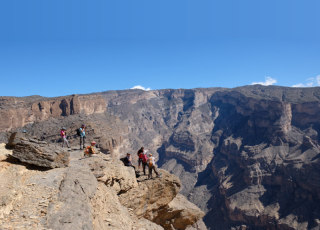
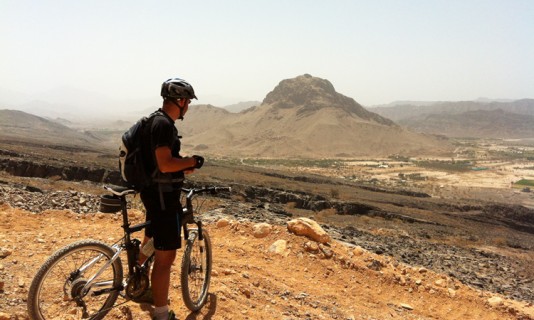
We bring you a short guide about planning a hike in Oman for beginners and some of the things to keep in mind during the process. RESEARCH, RESEARCH, RESEARCH When getting ready for a solo walk, you should start by learning about the trail. Do not omit this part! Every route is unique, and even on a well-traveled trail, conditions might change, so it's important to know what to anticipate so that you can be well prepared. Here are some queries to consider: How far does the trail extend? Is it frequently used? Is the trail well-traveled? What kind of terrain should you anticipate? Is it in the sun's path? Is water available there? Are there any dangerous flora, fauna, or insects to be on the lookout for? Have you seen any animals lately? Where do you want to park? Parking– is it far away or dark? Will a 4WD car be necessary? This is not a comprehensive list of questions, but in order to be ready for a particular trail, you must know how to effectively prepare for it. A 10-kilometer hike would certainly require different gear than a 2-kilometer hike, so plan accordingly. For the green mountains, you might pack differently than you would for the desert. Research is the only way to get ready. You can call the management organisations in advance for the most recent information on issues like trail closures or speak with a guide about organising a walk. HOW TO DETERMINE WHETHER A HIKING TRAIL IS SUITABLE FOR YOU Make sure the hike is within your range of expertise and ability by conducting trail research. As you walk more and develop your skills, your comfort zone grows. Learning skills alongside others is the best way to acquire them. For instance, you might want to postpone your first solo hiking trip until after you've participated in a few group outings. Alternatively, you might want to wait until you can go on a longer walk with others. You alone can determine whether pushing yourself out of your comfort zone on a specific solitary walk is something you can handle. Remember that when you're out there, you'll be independent, therefore you might not be able to count on others for assistance in the event of an accident or emergency. If we can avoid putting ourselves in a less than ideal circumstance, that will help us have a safe and happy day. Hiking alone may be both empowering and challenging. A little challenge can be a lot of fun if you approach it prepared with trail knowledge, the right abilities, and decision-making that keeps safety in mind. DOWNLOAD OR BRING A MAP. You may download trail maps for use both online and offline using a variety of phone apps. Electronic maps are useful, but it's crucial not to rely too much on your phone because everything you need would become abruptly unavailable if it were to break, get misplaced, or run out of battery. For this reason, we also advise printing off a paper copy of a map, particularly if you're travelling to a remote or inaccessible location. Do you understand how to read a map and use a compass? It's okay if you don't know; it just means that you need to conduct some research. Tools like compasses and maps are only useful if you know how to use them. The hiking community has a wealth of excellent resources, including neighbourhood outfitters, trail associations, clubs, and affinity organisations. On the trail, paper maps are also more practical for a number of reasons, including the ability to make plainly visible notes, the ability to triangulate your location using a compass, and the fact that you are not dependent on battery life, data, or screen brightness to utilise them. You can get where you're going safely and on the schedule you set for yourself if you know where you are and can navigate your way there efficiently. INSPECT THE WEATHER While you have no control over the weather, we do have some influence on where and when we go adventuring. When ascending a peak or entering higher elevations, it's very important to check the weather forecast and be prepared for a variety of weather conditions. Regardless of the prediction, mountains are known for their rapid weather changes. You should pack the right gear and be aware of the risks based on the weather and anticipated trail conditions, according to the forecast. Keep in mind that you might want to cancel the walk if the weather seems terrible. You should make sure your shoes have appropriate traction, pack trekking poles, and keep an eye out for slippery sections depending on the quantity of rain and the type of hiking terrain. Not everyone can tolerate heat or the light in the same way for a desert hike. A hat, sunglasses, lots of water and a plan to start your journey early enough so heat won't be an issue are all essential items to bring on a trip without any shade. Some of our team enjoy taking their sun umbrellas on hikes. ELEVATED TEMPERATURES? Hiking in hot weather can result in dehydration, heat exhaustion, or even heat stroke. Start your trip early enough to avoid the warmest temperatures, carry electrolytes, wear a hat or visor, sunglasses, bring extra water, and drink plenty of it. You should also start your hike early enough to avoid the hottest temperatures. In the summer, it is frequently advised to bring at least 3 litres of water per person when hiking in the desert. Since this is not a complete list of requirements, it is very important to do your homework on the trail you intend to take. No matter what the weather forecast, make sure to pack an extra layer (or two, depending on the time of year) to keep warm. Since it is can get windy and cold at in some areas year-round, we advise bringing an extra jacket. For precisely that reason, most of our team always carries a packable jacket in their bag. MAKE A PLAN AND TELL SOMEONE ABOUT IT. Making a plan in advance is always a good idea, but it's more important when hiking alone. Planning your solo journey doesn't have to be difficult, but doing so can help you incorporate your research on the trail, maps, and weather, as well as better understand what to do in the event that your plans need to be altered for whatever reason. Basic questions regarding your vacation might help you plan by getting some answers down. What path are you travelling? What distance are you covering? When do you plan to show up and leave? If you had the opportunity, will you continue your exploration? What do you need to be aware of or carry with you in the circumstances predicted for the path, and what will you do if the weather changes? These are the kinds of inquiries you'll also want someone back home to know the answers to if you're hiking alone in case of an emergency. Regardless of how well we plan, accidents can happen to anyone at any time. Even a fast text is better than nothing when it comes to sharing your basic plans with someone, so they will at least know where to seek if there is an emergency and you are unable to call for assistance. It can be as straightforward as saying, "I'm going to this waadi via so and so route and I plan to summit by noon and be back by 6." Even while it occasionally seems like overkill, it has already saved lives, and it is better to be safe than sorry. In addition, telling others about your exciting solo travel intentions can motivate them! 5) CONFIRM THE AVAILABILITY OF CELL SERVICE AND/OR BRING A GPS DEVICE Finding out if your cell phone will function on the hiking trail is essential. The majority of carriers have a service map that shows the various levels of service they offer in a certain location. It's better to prepare for no service if the region you're hiking in is on the border between service and no service because on-the-ground service might fluctuate from step to step, especially in canyons. We strongly advise getting a GPS device or Personal Locator Beacon (PLB) for emergencies if you won't have service or will be in a poor coverage region. As a precaution, we also advise bringing a battery backup for your phone because losing service shortens battery life. Going hiking with a experienced guide for our Bike and Hike Oman team can reduce the chances of you requiring such equipment. 6) STORE THE ESSENTIALS The majority of what you take will depend on your hiking itinerary. You probably won't need to pack the same equipment for a solitary walk around your neighbourhood as you would for a 12-kilometer excursion across a dry wadi. However, day hikers are more likely to experience difficulties managing emergencies or survival situations and ultimately require rescue. Day hikers typically only anticipate being out for a few hours, so they may become comfortable in the planning stage or believe that because it's a short trip or one they are acquainted with, they won't need to spend much time thinking on it. Since we've been hiking for so long, we've grown familiar with the Ten Essentials, a list of things you should always pack on a walk, regardless of its length or mileage. To be ready for the unexpected, they bring everything from food and drink to basic survival and first aid supplies. The following list of the Ten Essentials has been modified to include items that we personally suggest taking with you on every walk. Your survival equipment and essentials may change if you intend to go on more lone backcountry walks or solo backpacking trips. We advise enrolling in a wilderness survival and first aid course as well. ESSENTIALS FOR A DAY HIKE: Water and electrolytes—to prevent dehydration and keep you sweating. Make sure to blend salty and sweet foods in your snacks to energise your body. Phone/Map: Always be aware of your whereabouts; keep a battery backup on hand in case of emergencies. First Aid Kit—ideally one that is substantial enough to allow you to self-evacuate and fix minor injuries. Regardless of what you bring, you should be able to use it! Flashlight or headlamp—in case it gets dark outside, you need to see a wound better, or you need to signal for help. In addition, having a headlamp allowed us to explore some fascinating caves while out hiking. For weather changes and in case you get caught out there over night, add more layers—a windcheater and an insulating layer. A multitool is a survival tool that frequently consists of numerous components. Ones including a knife, saw, screwdriver, and tweezers are a favourite. The knife can be used to cut clothing or rope for first aid supplies, branches and plants to create a shelter, and wood to form into fire-making equipment. The tweezers can assist in removing splinters, thorns, and insect stingers, while the saw can cut through thicker branches and more substantial objects. Repairing gear is made easier as well. Lighter: Give yourself quick access to warmth and a signal fire in case of emergency since it's quite difficult to start a fire with simply sticks or flint. A signal mirror (visible signal), a whistle (audible signal), an emergency blanket, water purification (tablets or filter), paracord, and a sewing kit are among the emergency supplies that can be kept with you. Sun protection can help you avoid sunburns and eye and skin damage by using sunscreen, SPF chapstick, and hats or visors. BE AWARE AND TRUST YOUR INSTINCT. If you're not paying attention, how are you going to see that hawk or the snake curled up in the path? We may recognise the beauty of our environment as well as any possible problems from both humans and animals by being anchored in our senses. Being aware provides you the chance to either completely escape the issue or begin figuring out how to cope with it. Utilising your awareness entails being aware of what is going on around you, which serves as one of your primary lines of defence for outdoor personal protection. Look about you, including the trail itself. In a wilderness survival class, one of the best bits of advice has been to "look up, look down, and look around." To hear your surroundings better when hiking, remove your headphones or only wear one. It's time to pay closer attention and get ready to take action if necessary if you observe something or someone that seems strange or something just doesn't sit right with you. Our intuition was created specifically to keep us safe from harm. All animals have intuition, but humans are the only ones that ignore it; it is a natural talent that we are all born with. We frequently believe that we are smarter than others or that we are not feeling something. If something or someone feels strange, it could be! Together, intuition and awareness can save your life. Your hair standing on end, a cold that is unrelated to the outside temperature, and that feeling in the pit of your stomach are all signs of intuition. They're signalling that it's time to focus! If you have a strange feeling about a section of the route or someone you come into contact with while hiking, there is no guilt in turning around. Keep in mind that your safety is the most crucial factor. Whether you're aware of it or not, your intuition is reacting to something and will try to guide you in a safer direction. The trail is always accessible, and you can return at a later time. Honour your body's natural survival mechanism by paying attention to your intuition! 8) Enrol in a self-defence course to prepare for encounters with wild animals and people. Power is in being prepared. We always hope that we won't need to utilise the safety techniques we learn. On a path or in life, we never plan to come across a dangerous animal or person, but we also don't want to act as though they never do. With the help of education, we can be ready for that possibility without being paralysed by dread. You can feel more assured in your abilities to control your safety and protect yourself in a range of scenarios by learning some basic skills. WILDLIFE ACTIVITIES Most animals won't purposely try to hurt you, and interactions are frequently unintentional. The animal is guarding its young, its food, its territory, or itself. Doing your research includes learning what creatures you can expect on the walk you've selected. Most experts recommend staying on trails, keeping your distance, making plenty of noise, making yourself look huge, standing your ground/not fleeing, or gradually backing away to prevent an encounter with animals on the trail. Depending on what kind of animal is charging or attacking, you need to react accordingly. PEOPLE ENCOUNTERS A self-defence course is a great way to get ready for confrontations with dangerous individuals. You can learn a variety of linguistic and physical abilities in a session that you can use both on and off the path. The cornerstones of self-defence are being aware of your surroundings and paying attention to your instincts; they'll help you stay out of many potentially harmful situations. Know that you have options if you find yourself in a position where you might need to protect yourself physically. Know that you are worth fighting for and there are several ways you can defend yourself physically. CONCLUSION I hope I've been able to add knowledge and tactics to your toolbox so you feel more assured in your capacity to have pleasure in solitary hiking. Get out there and explore the vast world we live in! Are you looking for advice on going it alone or hiking alone? A look at our forthcoming stories
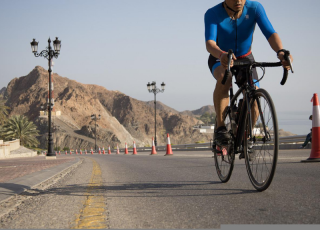
The 2023 edition of the Tour of Oman has been announced and will take place next year at the beginning of February starting at the Al Sawadi Beach in Oman. The race is slowly gaining recognition despite its short history, as it has been operating for little more than a decade, compared to its more storied counterparts. However even in the short duration that it has been running, the Tour of Oman has managed to attract the top teams and cyclists from across the world, becoming key to the start of the racing season. As early as its fourth season in 2013 it seemed to be setting the pace for the rest of the season, with the winner of the Tour of Oman 2013, Chris Froome (Team Sky), winning the Tour de France later that year. While the Tour of Oman has not taken place in the last two years, in 2022 it was back with a bang after two seasons off the calendar. It started on February 10th, 2022 with seven WorldTour teams among the start list for its 11th edition. Former world champions Mark Cavendish (QuickStep-AlphaVinyl) and Rui Costa (UAE Team Emirates) were some of the headline names at the race, which follows the route of the cancelled 2020 race and was brought together by organisers Amaury Sport Organisation and the Omani Cycling Federation. Fernando Gaviria (UAE Team Emirates) was the best on the high-speed finish to the line at Muttrah Corniche to win the sixth and final stage of the 2022 Tour of Oman. Australian cyclist Kaden Groves (BikeExchange-Jayco), and Belgian rider Amaury Capiot (Arkéa-Samsic) came in second, and third, respectively. Breaking his six year hiatus after winning the 2016 Tour of Austria 31 year old Czech cyclist Jan Hirt (Intermarché-Wanty-Gobert Matériaux ) secured the GC title, having resisted his rivals’ attempts to get ahead and retaining his dominance of the field after having taken the red leader's jersey after his stage 5 win up Jabal Al Akhdhar (Green Mountain). The Colombian ’Misil’ also won the opening stage, and furthermore took the points classification. Fausto Masnada (QuickStep-AlphaVinyl) came in at second position overall, with Rui Costa (UAE Team Emirates) coming in at third overall. The results of the 2022 Tour of Oman did much to stir excitement in the cycling world and we are excited to see what happens in 2023. The varied and rich terrain of the Sultanate of Oman offers glimmering opportunities for all-rounders, climbers and even sprinters to mount the podium, revving up their engines for the season ahead. The race is slowly gaining momentum and catching the interest of not only the professional cycling circuit but also the people of Oman, who come out to cheer these indomitable men as they speed along our coast and struggle up our mountains. The 2023 Tour of Oman is yet another exciting event to look forward to. Are you going to come cheer the riders or just watch from home as these experts take to the road of Oman.
_230_320.jpg)